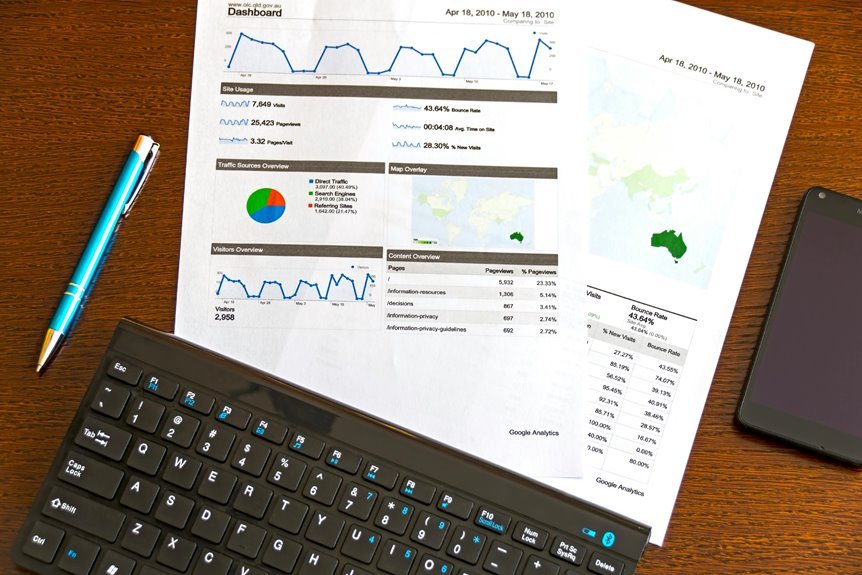
The data analysis dashboard presents a series of numeric identifiers that signify distinct datasets. Each number, from 4436028540 to 120946760, holds potential insights that can inform strategic decisions. Understanding these figures is essential for identifying trends and patterns. Moreover, the dashboard’s functionality enhances real-time analysis, providing organizations a competitive edge. However, the implications of these insights raise further questions about their application in driving initiatives. What strategies will emerge from this analytical exploration?
Understanding the Dataset: Key Insights From the Numbers
The dataset serves as a comprehensive repository of information, revealing trends and patterns critical for informed decision-making.
Through careful data interpretation, one uncovers the numeric significance behind each figure, illuminating underlying relationships. This analytical approach empowers individuals to discern actionable insights, fostering autonomy in decision-making processes.
The Role of Data Analysis Dashboards in Decision Making
Clarity in decision-making is significantly enhanced by data analysis dashboards, which serve as vital tools in synthesizing complex datasets into accessible visual formats.
Their dashboard usability fosters intuitive interaction, allowing users to engage in effective data storytelling. This integration of visuals not only clarifies insights but also empowers stakeholders to make informed choices, ultimately driving strategic initiatives and promoting a culture of data-driven freedom.
Visualizing Trends and Patterns: Techniques for Effective Analysis
While data analysis dashboards provide essential insights, effectively visualizing trends and patterns is crucial for deriving actionable conclusions.
Utilizing data visualization techniques enhances trend analysis and facilitates pattern recognition, allowing analysts to identify significant correlations and anomalies.
Leveraging Dashboard Features to Drive Strategic Initiatives
Harnessing the diverse features of data analysis dashboards can significantly propel strategic initiatives within an organization.
Through effective dashboard customization, teams can ensure that key metrics align with overarching goals, fostering strategic alignment. This adaptability allows for real-time insights, empowering decision-makers to pivot strategies swiftly and efficiently.
Ultimately, leveraging these dashboard features cultivates an environment where informed decisions drive progress and innovation.
Conclusion
In the realm of data analysis, numeric identifiers serve as beacons guiding organizations through the fog of information. The dashboard emerges as a compass, offering clarity amid complexity, while trends and patterns represent the shifting tides of market dynamics. By harnessing these insights, decision-makers can navigate their paths with precision, transforming raw data into actionable strategies. Ultimately, the interplay of numbers is not merely analytical; it symbolizes the journey toward informed choices and sustainable growth.