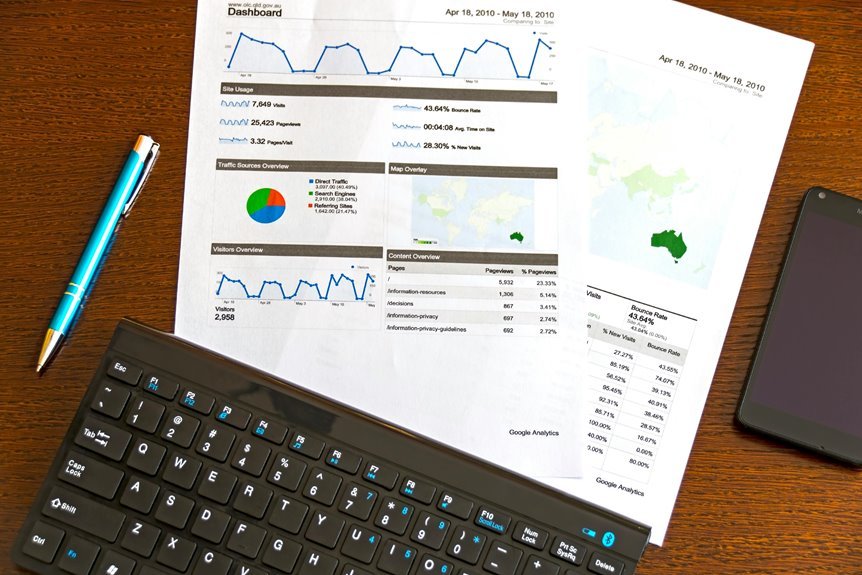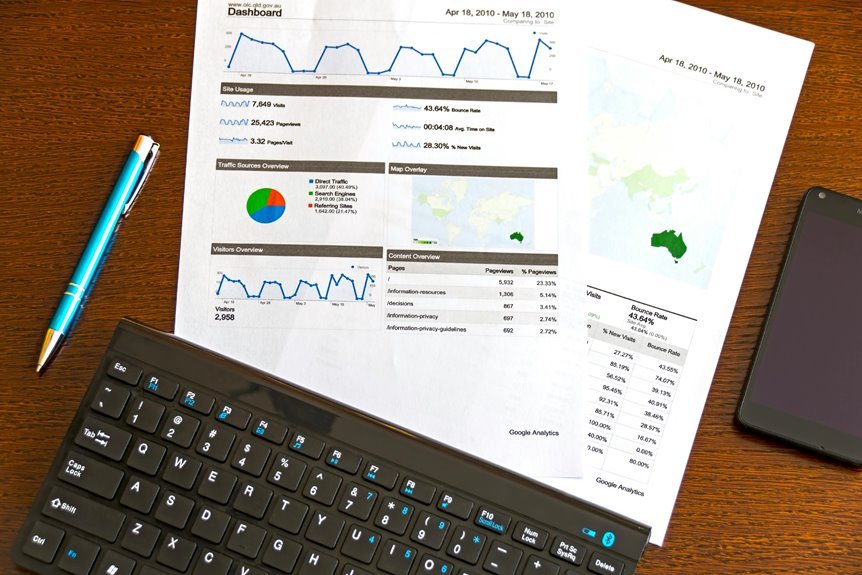
The performance monitoring dashboard, marked by identifiers such as 120350551 and 18442342500, is essential for organizations aiming to optimize decision-making. By consolidating key metrics, it offers real-time insights that inform strategic choices. Stakeholders can identify trends and adapt swiftly. However, the effectiveness of such dashboards largely depends on their implementation. What best practices can ensure that these tools deliver maximum value? The answer lies in understanding the nuances of dashboard design and usage.
Importance of Performance Monitoring Dashboards
While organizations increasingly rely on data-driven decision-making, the importance of performance monitoring dashboards cannot be overstated.
These dashboards enhance user engagement by providing real-time insights, enabling stakeholders to make informed choices.
Furthermore, they facilitate trend analysis, allowing organizations to identify patterns and adapt strategies accordingly.
Ultimately, performance monitoring dashboards empower entities to harness data effectively, promoting agility and informed autonomy.
Key Metrics and Identifiers
Effective performance monitoring dashboards rely on the identification of key metrics and identifiers that provide valuable insights into organizational performance.
Key performance indicators (KPIs) enable organizations to measure success effectively, while data visualization enhances the understanding of complex data sets.
Leveraging Data for Business Growth
Harnessing data effectively can drive substantial business growth by informing strategic decisions and optimizing operations.
Data visualization plays a crucial role in simplifying complex information, enabling clearer insights. This clarity enhances decision-making processes, allowing organizations to identify trends and opportunities swiftly.
As businesses leverage data analytics, they foster a culture of informed choices, ultimately promoting agility and fostering sustainable growth in a competitive landscape.
Best Practices for Effective Dashboard Implementation
A well-implemented dashboard can significantly enhance an organization’s ability to monitor performance and make data-driven decisions.
Effective dashboard design prioritizes clarity and relevance, presenting essential metrics without clutter. Engaging users through interactive features fosters deeper insights and promotes active participation.
Regularly reviewing user feedback can guide iterative improvements, ensuring that the dashboard remains a vital tool for informed decision-making and strategic alignment.
Conclusion
In conclusion, the performance monitoring dashboard is indispensable for organizations aiming to optimize decision-making and operational efficiency. While some may argue that dashboards can be overwhelming due to data overload, a well-designed dashboard focuses on essential metrics, enabling clarity and actionable insights. By emphasizing key performance indicators and utilizing visual elements effectively, stakeholders can navigate complex data landscapes with ease, ultimately fostering informed strategies that drive sustainable growth and enhance overall organizational performance.